
Learn about members of the Chatham Convention. These men signed the “Convention Minutes;” their names are provided by Osborne Anderson, the only Black survivor of the raid, in his A Voice From Harper’s Ferry: A Narrative of Events at Harper’s Ferry. Names included:
George Aiken
Robinson Alexander
J. Anderson
Osborne P. Anderson
James Madison Bell
Matisen F. (M.F.) Bailey
Owen Brown
Thomas F. Cary
John Caunel
John E. Cook
Martin Robison Delany
Stephen Dettin
Alfred M. Ellsworth
Simon Fislin/Fisher
George B. Gill
J.C. Grant
Thomas Hickerson
S. Hunton
John J. Jackson
John H. (J.H.) Kagi
Thomas M. Kinnard
William Lambert
William H. Leeman
Charles W. (C.W.) Moffitt
William Charles (C.) Munroe
Robert Newman
James W. Purnell
Luke F. Parsons
Richard Realf
George J. (G.J.) Reynolds
Richard Richardson
Isaac D. (I.D.) Shadd
Addison J. (A.J.) Smith
Rev. Thomas W. Stringer
Stewart Taylor
John A. Thomas
Charles Plummer (P.) Tidd
Robert Van Vranken
Alfred Whipper
C. Whipple (A.D. Stevens)
George Aiken
Delegate from Detroit.
George Aiken (or Aikens) was possibly a Black soldier from Regiment 102 of the U.S. Colored Infantry. He was drafted in Michigan and officially enlisted in March 1864 in Detroit [1].
–
[1] Compiled Military Service Records of Volunteer Union Soldiers Who Served the United States Colored Troops, George Aikens, Private, Company I,102nd US Colored Infantry, National Archives and Records Administration, RG 94; National Archives, Washington, D.C.
Robinson Alexander
Delegate from Chatham.
J. Anderson
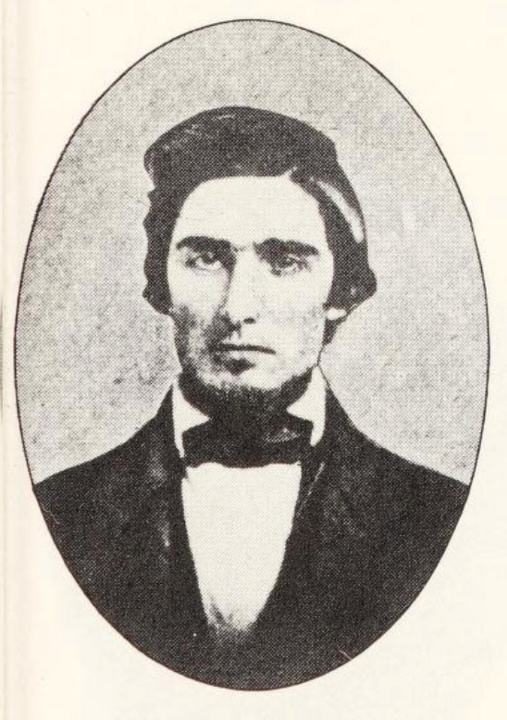
Possibly Jeremiah Goldsmith Anderson. J.G. Anderson was severely injured during the raid and subsequently tortured. The descendant of enslavers, Anderson, according to W.E.B. Du Bois, was likely part Black [1]. Anderson attended Knox College in Illinois and joined Brown’s raids in Missouri [2].
–
[1] W.E.B. DuBois, John Brown (Philadelphia: G.W. Jacobs, 1909): 283.
[2] “Pre-Civil War Raid has Knox Connection,” March 24, 2010, https://www.knox.edu/news/pre-civil-war-raid-has-knox-connection.
Osborne P. Anderson
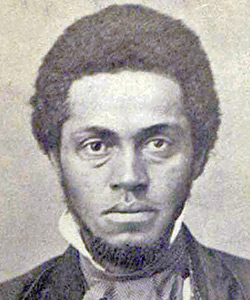
Anderson was a free Black man living in Canada. He was elected as secretary of the convention. He took part in the raid and escaped. With Mary Ann Shadd Cary’s help, he published A Voice from Harper’s Ferry.
Matisen F. (M.F.) Bailey
President of the General Board of Commissioners for the African Commission. Other members included Delany, Isaac Shadd, Abraham Shadd, and William Howard Day [1].
—
[1] Frank A. Rollin, Life and Public Services of Martin R. Delany, Sub-Assistant Commissioner Bureau Relief of Refugees, Freedmen, and of Abandoned Lands, and Late Major 104th U. S. Colored Troops (Boston: Lee and Sheppard, 1868), 306.
James Madison Bell
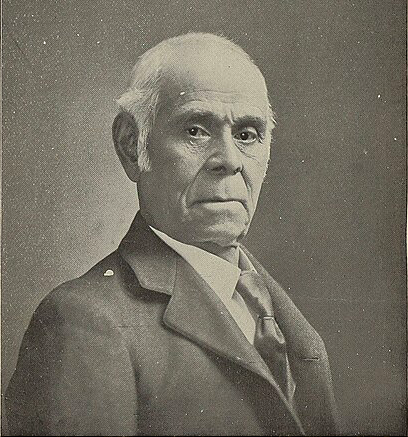
James Madison Bell, the “Bard of the Maumee.” Source: Toledo-Lucas County Public Library via WIkicommons.
Listed as James M. Buell in the Convention Minutes.
Bell was born in Ohio and was a “Poet, orator, and activist” [1]. In Ohio, he was known as the “Bard of Maumee” for his poetic and oratory prowess. His family moved to Chatham shortly after the Dred Scott decision. There he was a member of the Chatham Vigilance Committee.
–
[1] Julia Larsen. “James Madison Bell (1826-1902),” https://www.blackpast.org/african-american-history/bell-james-madison-1826-1902/.
Owen Brown
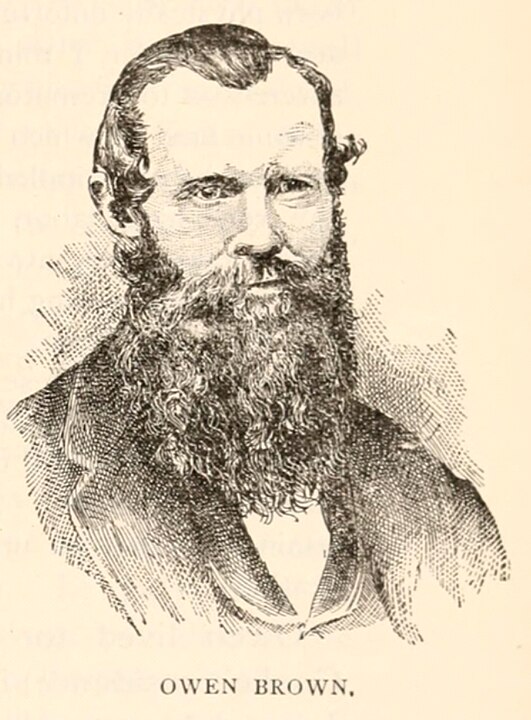
Owen Brown was John Brown’s son. He took part in the Pottawatomie Massacre and the Harpers Ferry Raid. He “was able to escape arrest after the Raid” [1].
–
[1] “Owen Brown,” Kansas Memory, Kansas Historical Society, www.kshs.org.
Thomas F. Cary
Cary was Mary Ann Shadd Cary‘s husband. Cary was a barber and helped run the Provincial Freeman.
John Caunel
At times listed as “John Cannel.” He was one of the 39 Black men in attendance.
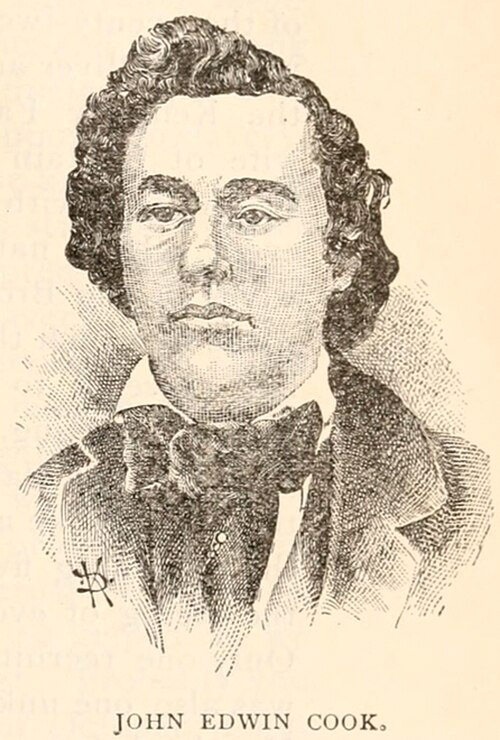
John E. Cook
John E. Cook (Cooke) was a white spy and “advanceman” for Brown. He took part in the raid and escaped. He was eventually captured and executed.
During his imprisonment, Cooke allegedly confessed:
In November 1857, I met Brown at the house of E.B. Whitman, about four miles form Lawrence, K.T. I was told that he intended to organize a company for the purpose of putting a stop to the aggression of the Pro Slavery men. I agreed to join him, and was asked if I knew of any other young men who were perfectly reliable, who I thought would join also. I recommended Richard Really, L.F. Parsons, and R.J. Hinton. I received a note on the next Sunday morning, while at breakfast in the Whitney House, from Captain Brown, requesting me to come up that day, and to bring Realf, Parsons, and Hinton with me. Really and Hinton were not in town, and therefore I could not extend them the invitation. Parsons and myself went, and had a long talk with Captain Brown. A few days afterwards I received another note from Captain Brown, which read, as near as I can recollect, as follows:
Captain Cooke:
Dear Sir:—You will please get everything ready to join me at Topeka by Monday night next. Come to Mrs. Sheridan’s, two miles south of Topeka, and bring your arms, ammunition, clothing, and other articles you may require. Bring Parsons with you if he can get ready in time. Please keep very quiet about the matter. Yours etc., John Brown [1].
–
[1] Will M. Clemens, “John Brown, The American Reformer,” The Peterson Magazine, April 1898, 311.
Martin Robison Delany
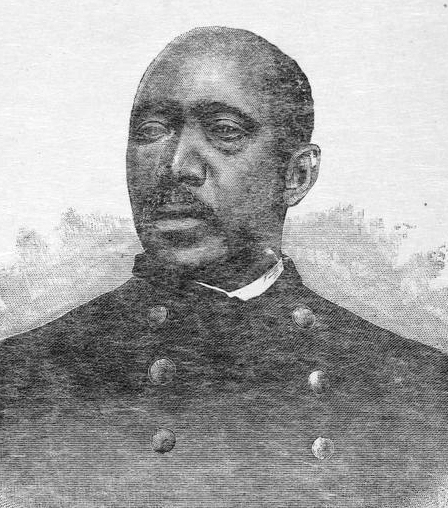
“Martin Robison Delany, a veritable Renaissance man, holds an interesting position in American and African American history. He was born in Charles Town, Virginia — now known as Charles Town, West Virginia — to a free mother and an enslaved father. Because his mother was a free woman, Delany was also recognized as a free man.” Continue reading Delany’s profile by Nick Palombo at https://coloredconventions.org/emigration-debate/martin-delany/.
Stephen Dettin
A delegate from Chatham.
Alfred M. Ellsworth
Ellsworth was from Windsor, Canada. He was selected as a member of Congress, along with Osborne Anderson, in Brown’s provisional government [1].
–
[1] Anderson 12.
Simon Fislin/Fisher
One of the 39 Black men in attendance. Fisher possibly served in the Union army in the Colored Infantry [1].
–
[1] Compiled Military Service Records of Volunteer Union Soldiers Who Served the United States Colored Troops, Simon Fisher Private,1st US Colored Infantry, National Archives and Records Administration, RG 94; National Archives, Washington, D.C.
George B. Gill
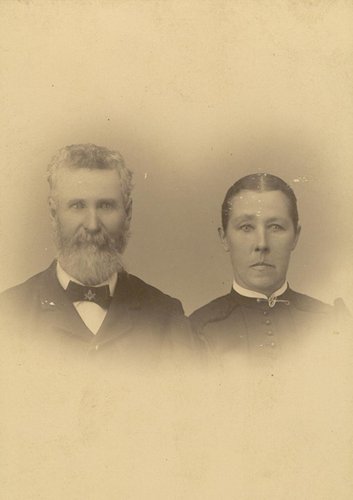
George B. Gill and his wife, c. 1892. Photographer: E.B. Snell. Image: Kansas Historical Society.
From Iowa [1]. White activist and Elected Secretary of the Treasury of Brown’s provisional government [2].
—
[1] “Chatham Convention Delegates: May 1858,” West Virginia Archives & History, wvculture.org.
[2] Osborne P. Anderson, A Voice From Harper’s Ferry: A Narrative of Events at Harper’s Ferry (Boston, 1861),13. Print.
J.C. Grant
Possibly from Chatham [1].
—
[1] West Virginia Archives & History. “Chatham Convention Delegates: May 1858,” wvculture.org.
Thomas Hickerson
One of the 39 Black men in attendance.
S. Hunton
Delegate from Chatham.
John J. Jackson
Also listed as Job T. Jackson
John H. (J.H.) Kagi
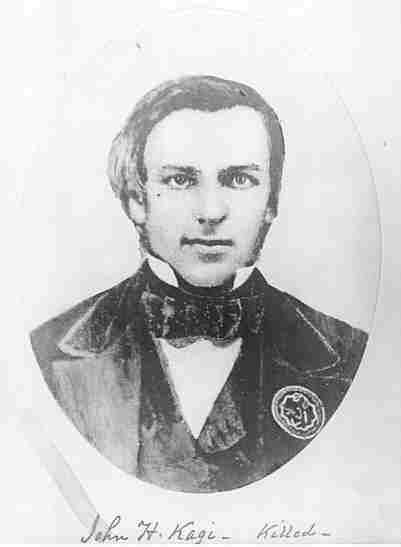
Kagi was Brown’s right-hand man. He was a newspaper editor and reporter before joining the free state cause in Kansas, where he participated in multiple raids. He died in Harpers Ferry.
Thomas M. Kinnard
Delegate from Cleveland.
He was nominated for President of Brown’s provisional government. “In a speech of some length, Mr. Kinnard declined” [1]. Thomas Kinnard (or Kennard) also attended the Colored National Convention at Philadelphia in 1855.
–
[1] Anderson 12.
William Lambert
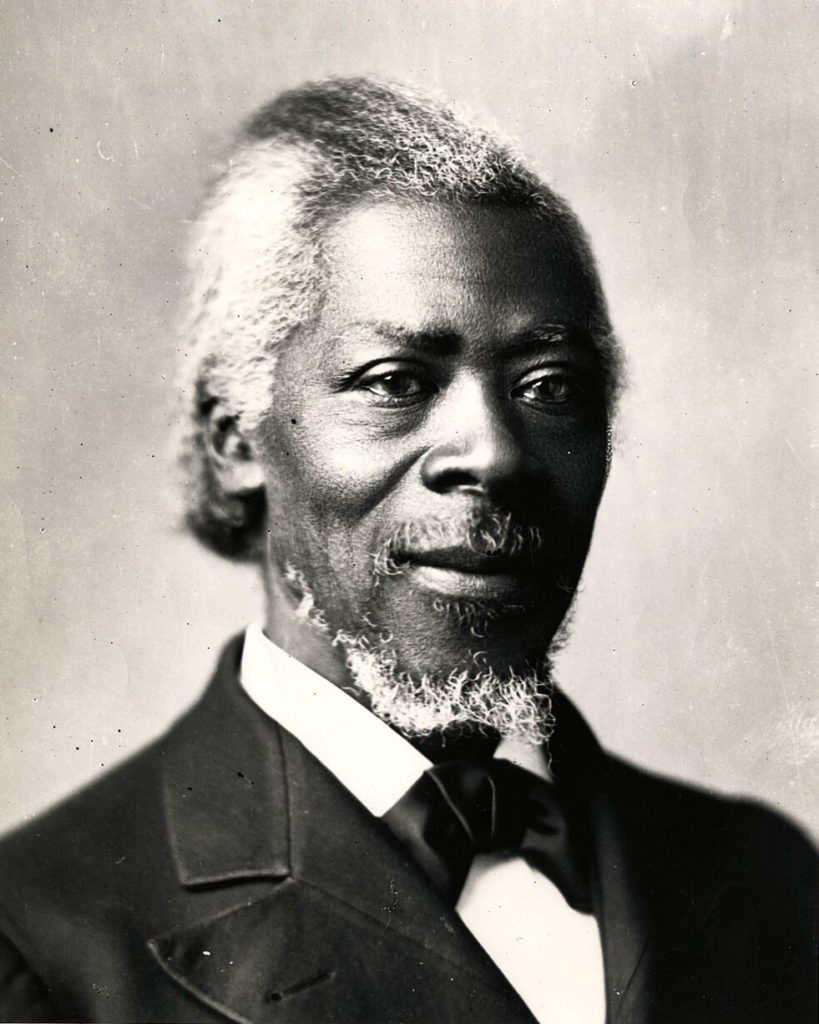
Lambert was a Black radical abolitionist from Detroit. “In 1843, helped to organize the first State Convention of Colored Citizens in Michigan” [1]. He founded the first civil rights organization in Detroit, the Colored Vigilant Committee.
–
[1] James. Jones, “William Lambert (1817-1890),” Black Past, https://www.blackpast.org/african-american-history/lambert-william-1817-1890/.
William H. Leeman
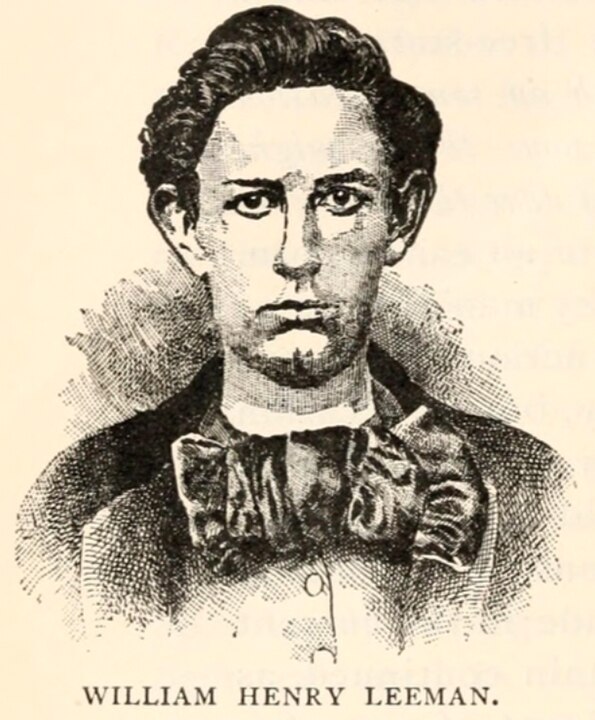
Leeman was originally from Maine. He joined the raid and died. In his letters to his mother, Leeman mentioned his experience in Kansas. He believed slavery to be “the greatest Curse that ever infested America” [1].
–
[1] William H. Leeman to his mother, October 2, 1859, territorialkansasonline.ku.edu. Also available as a PDF from the InternetArchives.org.
Charles W. (C.W.) Moffitt
Listed as C.W. Moffit in the Convention minutes.
William Charles (C.) Munroe
President of the Convention
Black abolitionist, activist, and the first pastor of the Second Baptist Church of Detroit.
Robert Newman
One of the 39 Black men in attendance.
James W. Purnell
Delegate from Windsor, Canada.
Luke F. Parsons
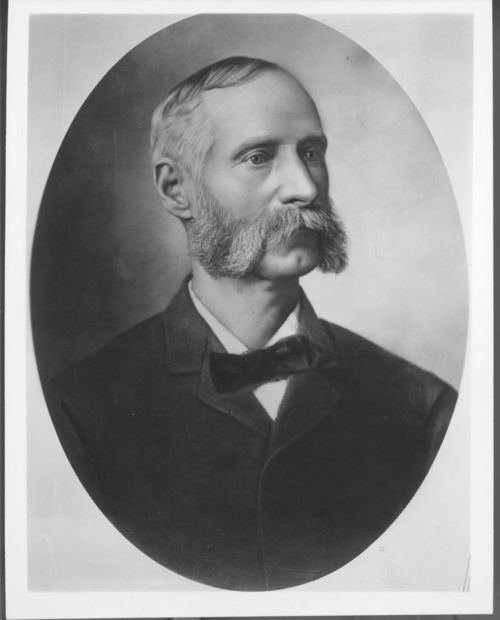
Parsons was an activist from Kansas [1]. He fought alongside Brown during the Bleeding Kansas period at the Battle of Black Jack and the Battle of Osawatomie [2].
–
[1] West Virginia Archives & History. “Chatham Convention Delegates: May 1858,” wvculture.org.
[2] “Luke F. Parsons.” Kansas Memory, Kansas Historical Society, www.kansasmemory.org.
Richard Realf
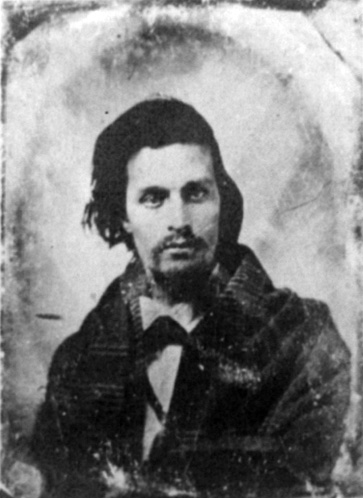
Realf was an English poet and journalist. He went with Brown to Chatham and was elected as secretary of state of Brown’s provisional government.
George J. (G.J.) Reynolds
Reynolds was a conductor on the Underground Railroad in Sandusky, Ohio [1]. Before moving to Ohio, he lived in Detroit, where he worked with William Lambert to help freedom seekers. In Detroit, he used the the name J.C. Reynolds [2].
—
[1] “George J. Reynolds, Carriage Maker and Underground Railroad Conductor,” The Sandusky Library, https://sanduskyhistory.blogspot.com/2008/02/george-j-reynolds-carriage-maker-and.html.
[2] Tom Calarco, People of the Underground Railroad: Biographical Dictionary (Westport: Greenwood Press, 2008), 255.
Richard Richardson
“A slave in Missouri until helped to his liberty by John Brown” [1].
–
[1] Anderson 9.
Isaac D. (I.D.) Shadd
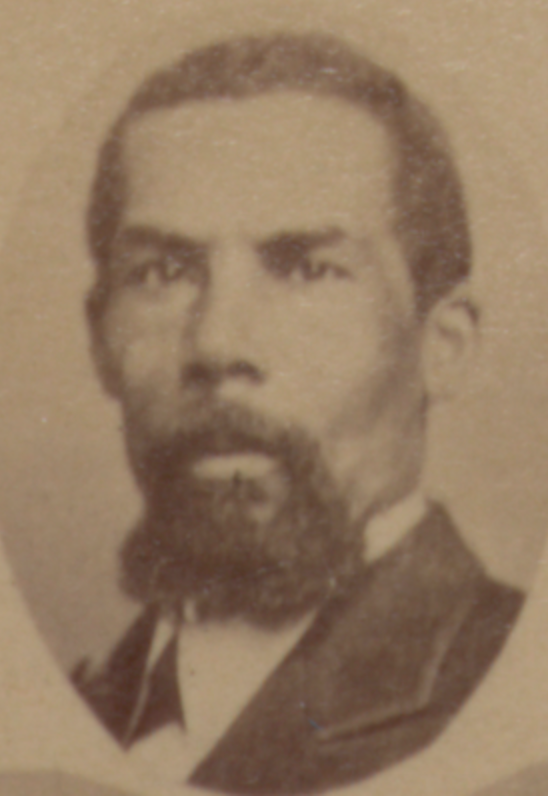
Isaac D. Shadd (1829–1896), publisher of The Provincial Freeman, Mississippi legislator, abolitionist. Source: Wikicommons.
Isaac Shadd was Mary Ann Shadd Cary’s brother and also a publisher of The Provincial Freeman. Along with James Bell, he was a member of the Chatham Vigilance Committee. Like Stringer, Shadd moved back to the US and was active in electoral politics in Mississippi, where he was elected into the Mississippi House of Representatives (1871-1876). He also served as the Speaker of the House for a year.
Addison J. (A.J.) Smith
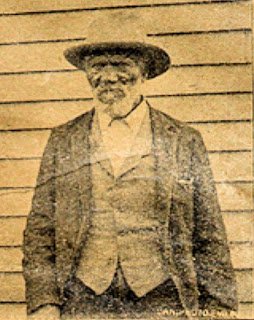
Addison Smith photo by J. R. Atkinson. Source: Catherine Meehan Blount, Those Audacious Meehans.
Smith was a self-liberated individual who fled from Tennessee to Canada. He was married to Mary Anderson, cousin of Osborne P. Anderson [1].
–
[1] Catherine Meehan Blount, “The Indomitable Addison Smith,” Those Audacious Meehans, https://thoseaudaciousmeehans.com/addison-smith.
Rev. Thomas W. Stringer
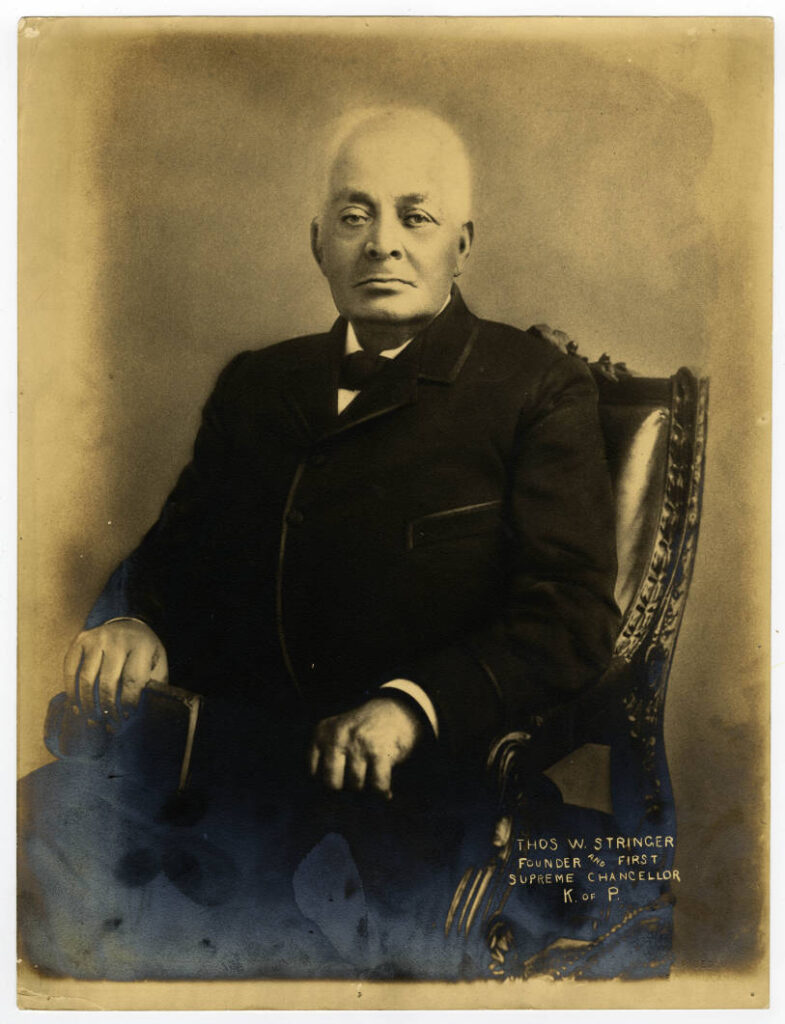
Thomas W. Stringer. Photo: Xavier University of Louisiana Library Digital Archives & Collections.
Stringer founder of the British Methodist Episcopal (BME) Churches in Buxton and Chatham, Canada [1]. Like many Black emigrationists, Stringer relocated to the US after the Civil War. He became a state senator in Mississippi in 1869.
–
[1] “Rev. Thomas W. Stringer (1815-1897)” Buxton Museum, www.buxtonmuseum.com.
Stewart Taylor
Taylor was a white activist from Uxbridge, Canada. He was “killed defending the engine house” during the Harpers Ferry Raid [1].
–
[1] “John Brown’s Raider’s At Harpers Ferry.” Harpers Ferry National Historical Park, National Park Service, www.nps.gov.
John A. Thomas
Thomas was a self-liberated individual from Maryland who settled in New York. There, he established a farm using land deeded to him by White abolitionist Gerrit Smith [1]. He attended both the Chatham Convention and the 1855 Radical Political Abolitionists Convention [2]. According to journalist and Freedmen’s Bureau agent Richard J. Hinton, Thomas was Brown’s early confidant and had worked for Abraham Lincoln in his Illinois home and the White House [3].
–
[1] “John Thomas,” Historic Saranac Lake Wiki, localwiki.org.
[2] “Proceedings of the Convention of Radical Political Abolitionists, held at Syracuse, N.Y., June 26th, 27th, and 28th, 1855 (New York: Central Abolition Board: 1855).” West Virginia Archives and History, wvculture.org.
[3] Richard Josiah Hinton, John Brown and His Men: With Some Account of the Roads They Traveled to Reach Harper’s Ferry (New York: Funk & Wagnalls, 1894), 179.
Charles Plummer (P.) Tidd
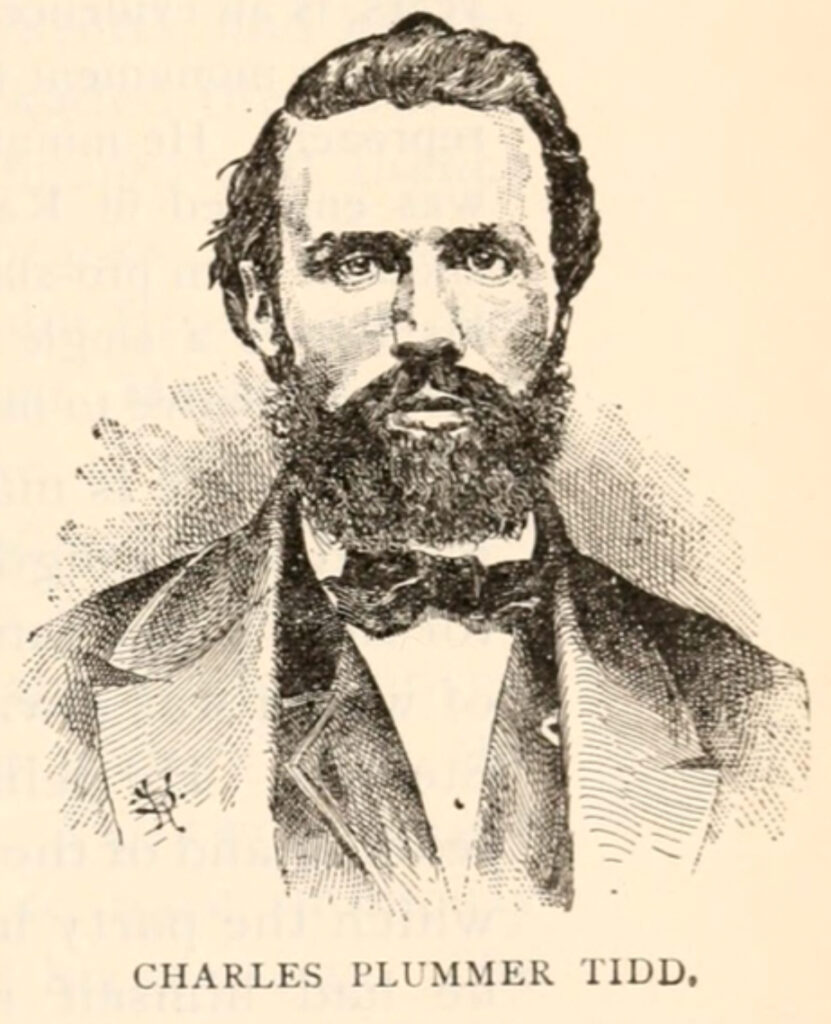
Tidd was a white activist from Iowa [1]. He fought alongside Brown during the Bleeding Kansas period, and participated in and escaped from the Harpers Ferry Raid. He “enlisted in the Twenty-first Massachusetts volunteers on July 19, 1861” [2].
–
[1] “Chatham Convention Delegates: May 1858,” West Virginia Archives & History, wvculture.org.
[2] “John Brown’s Raider’s At Harpers Ferry,” Harpers Ferry National Historical Park, National Park Service, www.nps.gov.
Robert Van Vranken
Listed as “Robert Vanvanken.” Van Vranken and his wife Margaret Brown were active in their own community of Elgin Settlement, a Black settlement in Chatham [1]. Elgin was one of the final stops of the Underground Railroad.
–
[1] Peggy Bristow and Dionee Brand, We’re Rooted Here and They Can’t Pull Us Up:Essays in African Canadian Women’s History (Toronto: University of Toronto Press, 1994), 82.
Alfred Whipper
Listed as “Alfred Whipple.” Alfred Whipper was a Black teacher in Chatham and was the brother of William Whipper. His school—along with that of Mary Ann Shadd Cary and Mary E. Bibb—was among the few institutions that provided education to Black students in Canada.
C. Whipple (A.D. Stevens)
C. Whipple was the name Aaron D. (A.D.) Stevens used as an alias [1]. He was a white activist who participated in the Harpers Ferry Raid.
–
[1] “Chatham Convention Delegates: May 1858,” West Virginia Archives & History, wvculture.org
Credits
Created by Jessica Thelen. Edited by Michelle Byrnes. Contributions by Samantha de Vera. Revisualized by Lauren Cooper.


